TIPE
Independent research project analyzing impact dynamics and optimizing materials for an offensive table tennis racket
Experimental modeling
Data analysis
Material mechanics
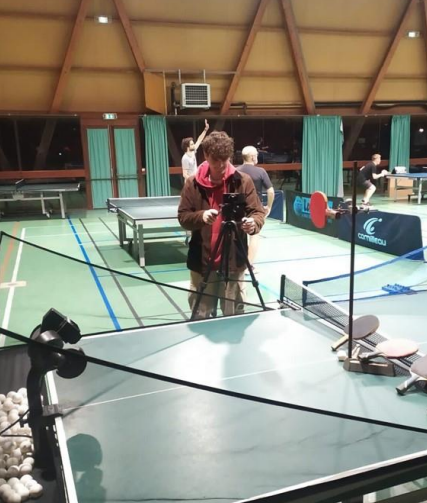
Independent research project analyzing impact dynamics and optimizing materials for an offensive table tennis racket
Engineering study conducted as part of the TIPE project at my french preparatory class, focusing on the relationship between material properties and racket performance in table tennis. The goal was to determine how foam thickness and wood stiffness influence the rebound speed and overall offensive potential of a racket.
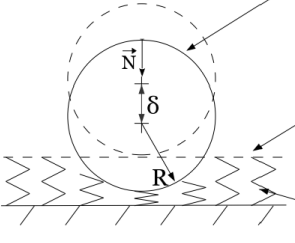
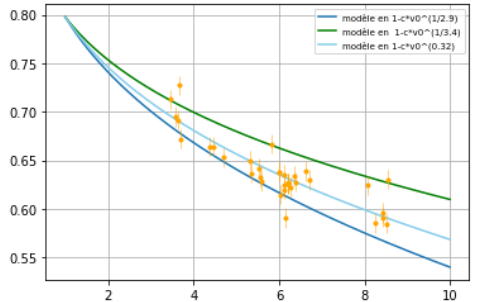
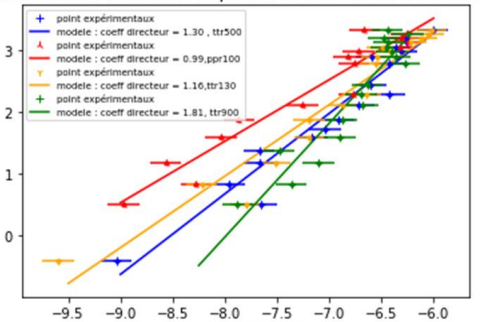
The impact between the ball and the racket was modeled as a mass–spring–damper system, allowing derivation of the coefficient of restitution (COR). The dimensionless model was solved numerically, then experimentally validated through controlled impact tests. Observed COR variations were explained by ball rotation, and the measured exponent was consistent with a theoretical value close to 1/3.
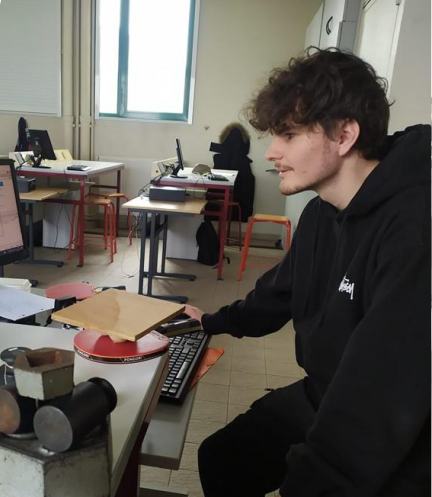
A thicker foam layer and stiffer wood both increase rebound velocity. COR measurements at ~7.4 m/s confirmed the trend and validated the analytical model. The findings provided clear design criteria for assembling an optimized offensive racket.
The best offensive combinations identified were: Cornilleau Hinotec Off + Donic Bluefire M2 and Cornilleau Hinotec Off + Cornilleau Drive Intens. The study concludes that using a hard central wood combined with a thick, elastic foam maximizes energy restitution and speed potential.